

STC Starr County mentorship program expands to Hidalgo County campuses
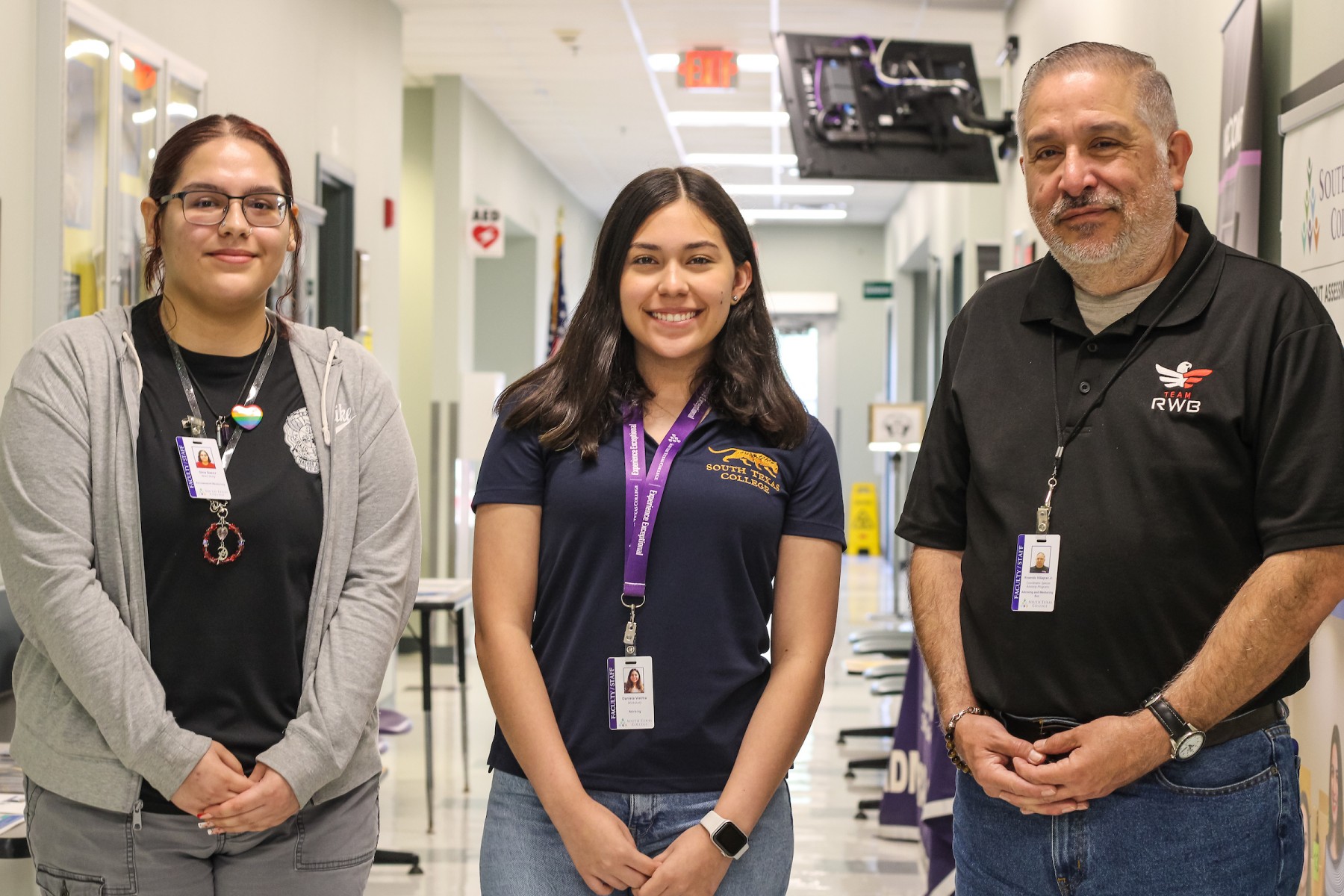
What began as an offshoot of the college’s Special Programs department in Starr County nearly 20 years ago dedicated to peer mentoring has been extended to Hidalgo County students for the first time. Left to right: Student mentors Gina Saenz and Daniela Vielma along with STC Coordinator of Special Advising Programs Rosendo Villagran.
When it was created in 2005, South Texas College’s student mentoring program was designated to target first-generation students in economically disadvantaged areas who needed access to college resources.
Funded through a Work-Study Student Mentorship Program (WSMP) grant awarded by the Texas Higher Education Coordinating Board (THECB), the model was unique to Starr County at the time. It was about students helping students to improve persistence and retention, according to program coordinators.
“We were addressing the population that we have in the county. That was primarily the reason that we focused on the Starr County campus,” said Nancy Garcia, Ed.D., STC director of Comprehensive Advisement and Mentoring Services. Garcia established the mentorship program at the start. “We see the success of the program with how the mentors connect with the students and so we wanted to expand that opportunity to the entire college. It made a lot of sense seeing how well the program is working at the Starr County campus, that we expand it to other campuses.
The purpose of the Work-Study Student Mentorship Program grant is to provide employment to eligible students with financial need to mentor, tutor or advise students at participating institutions of higher education or high school students within local school districts and nonprofit organizations.
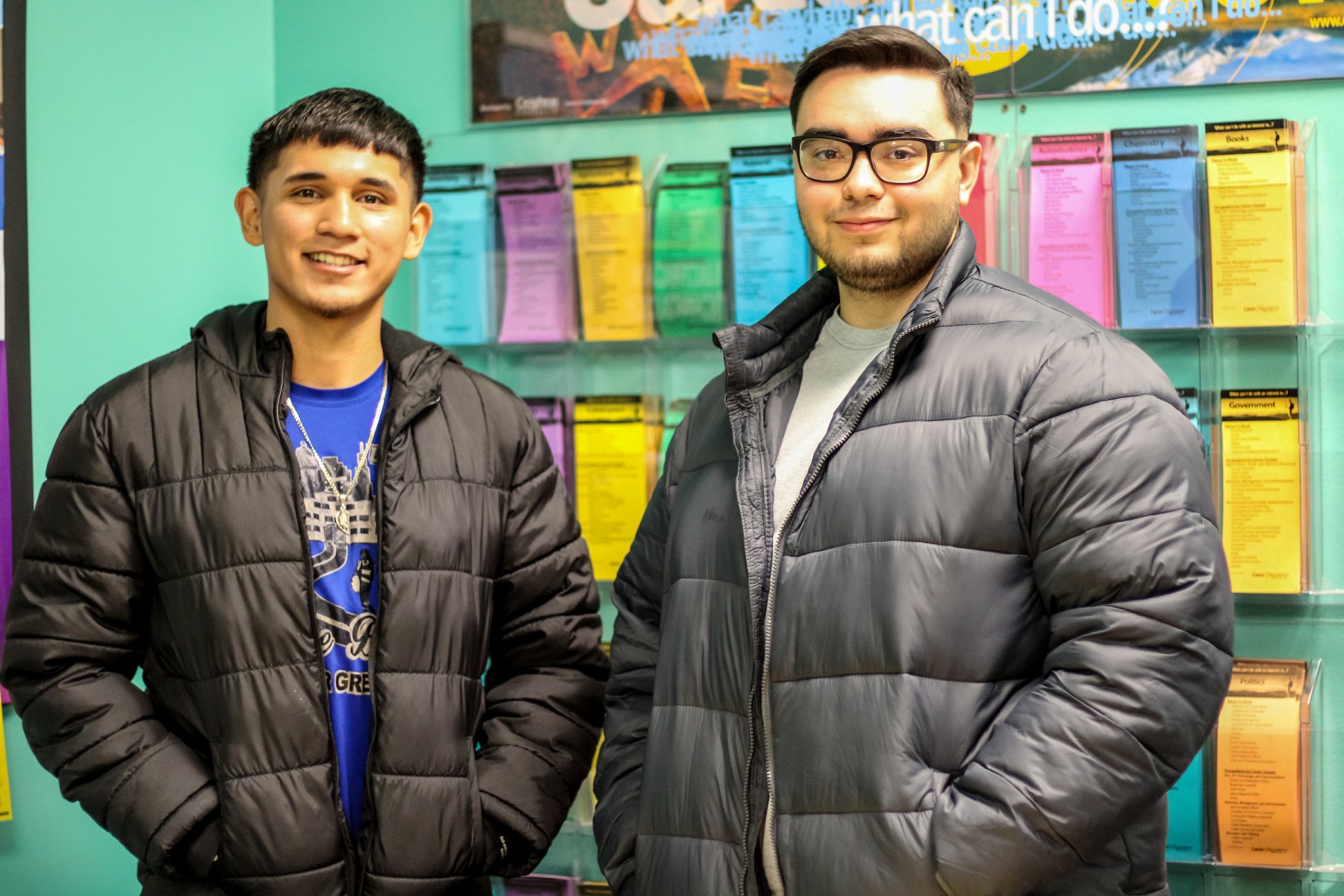
We see the success of the program with how the mentors connect with the students and so we wanted to expand that opportunity to the entire college. It made a lot of sense seeing how well the program is working at the Starr County campus, that we expand it to other campuses.

The goal of the program is to improve and increase student access, success and completion of higher education and to provide employed students with an opportunity to gain and strengthen career-readiness skills.
Today, these student mentor, tutor and advising positions are funded by a combination of state appropriations provided by the Texas College Work-Study (TCWS) Program and matching funds from participating institutions.
“The (mentorship) program was created here specifically for a growing college population to help with access, persistence and retention; and back then it was unique to the county,” said Rosendo Villagran, coordinator of Special Advising Programs. “We finally received permission in 2022 from the Coordinating Board to expand the program into Hidalgo County, which enabled us to have a mentor working out of the Technology campus, and two more mentors working in Weslaco at the Mid-Valley campus to help our students there.”
Villagran has overseen the mentorship program since 2015 and coordinates recruitment and training of student mentors. They are then hired on a part-time basis, work up to 19 hours a week and immediately become involved in college activities and initiatives established by Academic Advising as well as partnership activities with various departments including Admissions.
There are currently seven student mentors employed by STC, but there have been up to 12 at a time assisting students, according to Villagran.
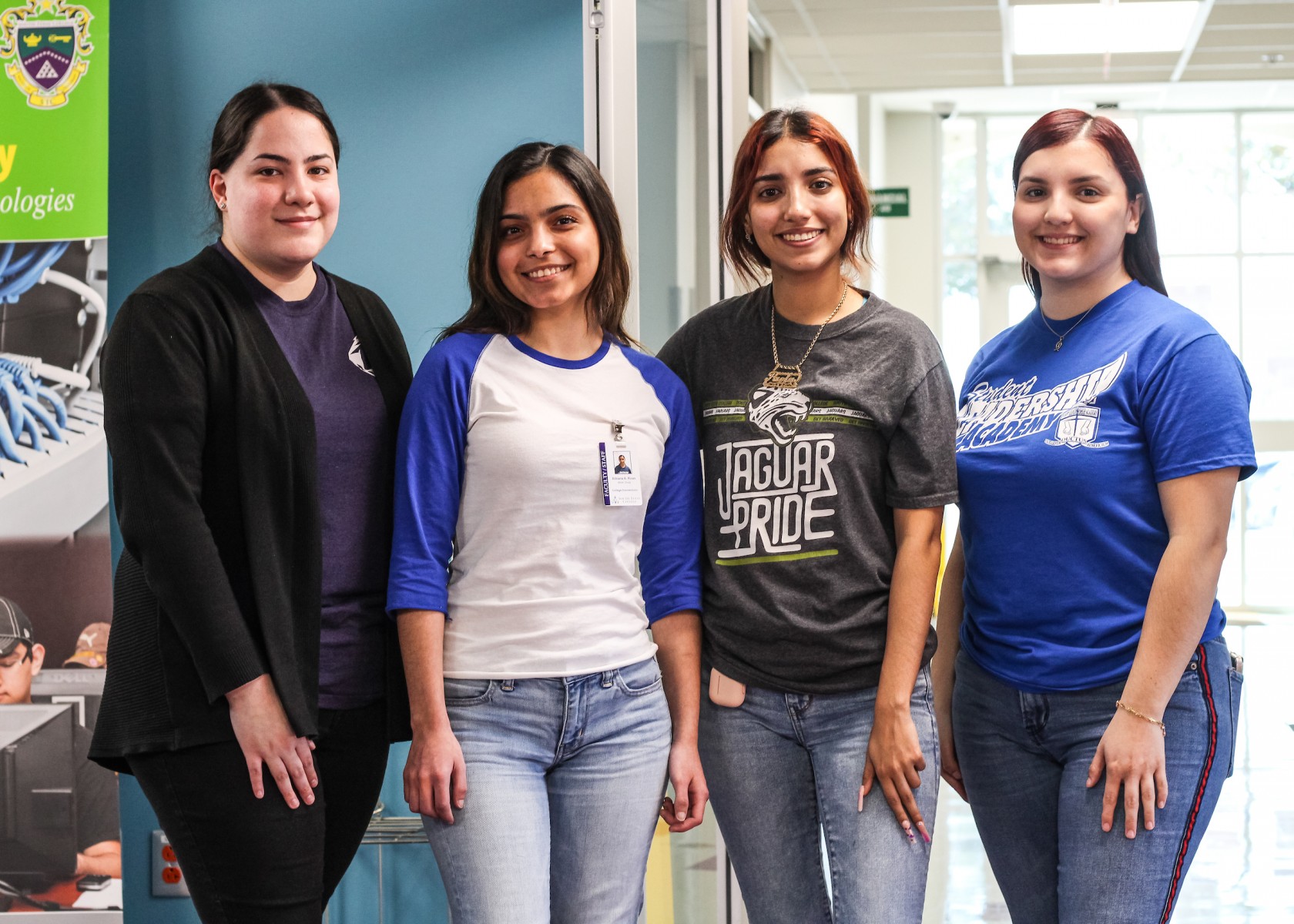
The last thing we want students to do is drop out. We want them to persist and complete their degree, to take advantage of those academic support services along with the one-on-one opportunities. Case in point, who else better to hear it from than from one of their peers who has walked in their footsteps?
“We provide one-on-one developmental advising to find out how exactly we can assist a student,” Villagran said. “The last thing we want them to do is drop out. We want them to persist and complete their degree, to take advantage of those academic support services along with the one-on-one opportunities. Case in point, who else better to hear it from than from one of their peers who has walked in their footsteps?”
This study mentorship program had previously expanded to include STC’s Office of College Connections assisting students still in high school. A memorandum of understanding was established to offer peer mentoring services to high school juniors and seniors in Rio Grande City, Roma and Grulla in 2016.
“College Connections came on board when we expanded into the high schools. There's two parts to it. There are mentors who are based at each of the high schools and then there are mentors based here on campus for our current students. Our mentors in the high schools are there to build that college-going culture,” said Lazaro Barroso, Ed.D., STC director of College Connections and Admissions for Traditional Students. “The mentors with College Connections help all the senior students with any college-going issues including college applications, financial aid, testing, whatever they need help with. They're connecting them with colleges, universities and recruiters. It's all about promoting higher-ed in general but they also help recruit the students to STC.”
Student mentor and STC student Mario Cerda recently completed his associate degree in Automotive Technology and is now working towards his bachelor’s degree in Organizational Leadership.
Cerda said he hopes to one day open his own automotive shop. Over the last two years he has been mentoring students and, in the process, has received training opportunities that have given him insight into resolving problems for others which will help him in the business world.
“We learn to solve problems. From a business perspective, this is good for future jobs so we positively affect our employees or potential customers. In this case, our customers are the students we are mentoring,” Cerda said. “This is why I encourage people to join us. We know from experience that the students we mentor become pleased with our work. You just have to tell us. If you need help with your schoolwork, if you need help with your classes or anything else you may need, we'll be here for you.”
From a student mentor perspective, participating in the program opens doors for career opportunities, whether it’s at the universities that they transfer to, or in the community working in professional positions related to their majors, according to Villagran.
“Our alumni have gone on to receive mentorship positions at different universities, and others have gone on to a career in teaching or business,” he said. “One thing is certain, and that is their experience with us enables them to become cross-trained in everything from customer service to management. These become marketable skills that have been developed here at STC.”
For more information about STC’s Academic Advising department please visit studentservices.southtexascollege.edu/advising/.